

Biohacking Travel: Frequencies and Holistic Products for Jet Lag, Sickness, and Resets
Jun 07, 2026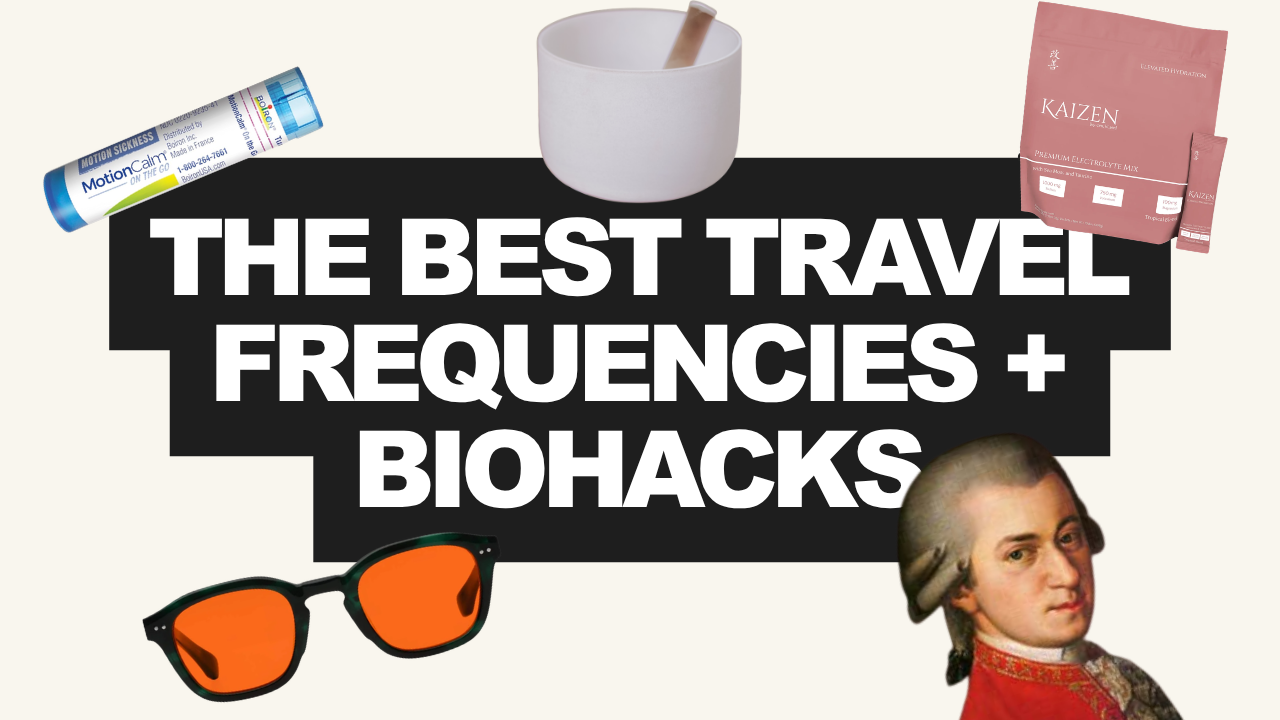
When we travel, our bodies are making hundreds of adjustments and calculations. The nervous system is working in overdrive with new time zones, long flights, unfamiliar foods, Ubers, check-ins, airports, crowds, new sounds, new rhythms.
And for a lot of people, that new information can feel like stress.
The best thing you can do for it is to nourish the body with the right signals at the right time.
Sound is one of the easiest ways to do that.
Here are ten types of sounds and frequencies I like for travel, along with a few holistic products that can support the body along the way.
| Travel Challenge | Sound Support | Product Pairing |
|---|---|---|
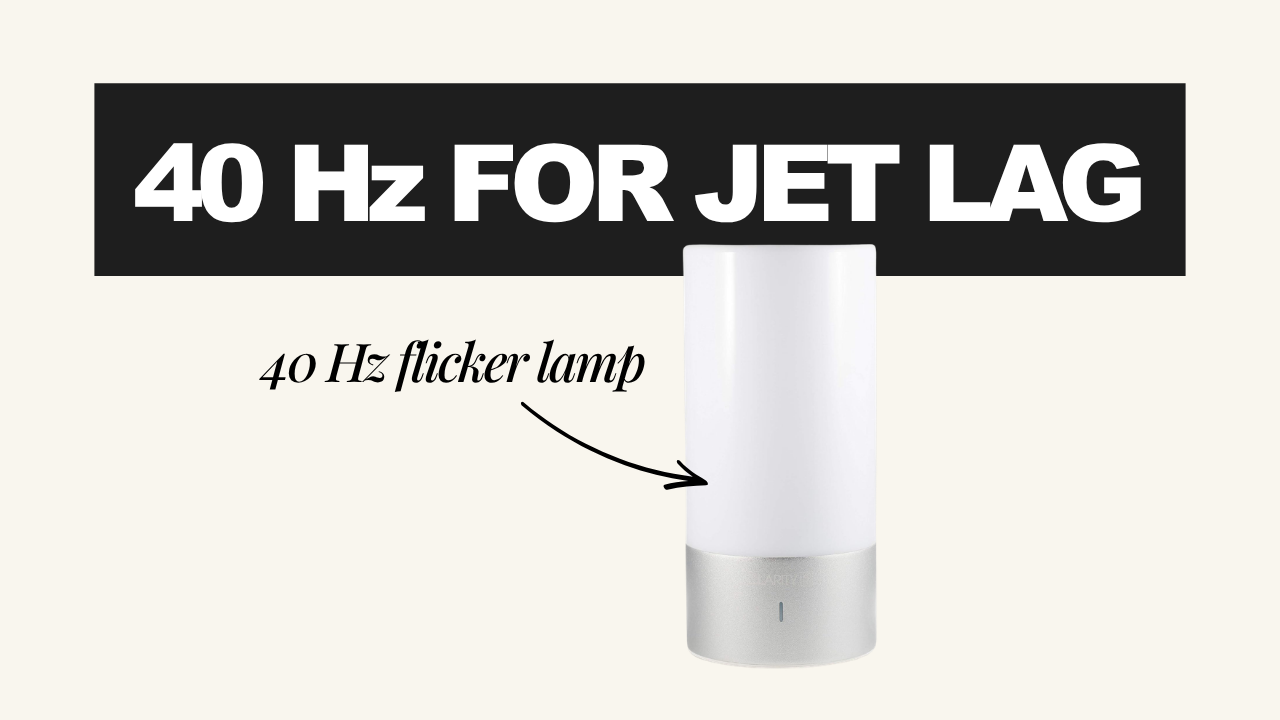
| Jet lag | 40 Hz | 40 Hz lamp |
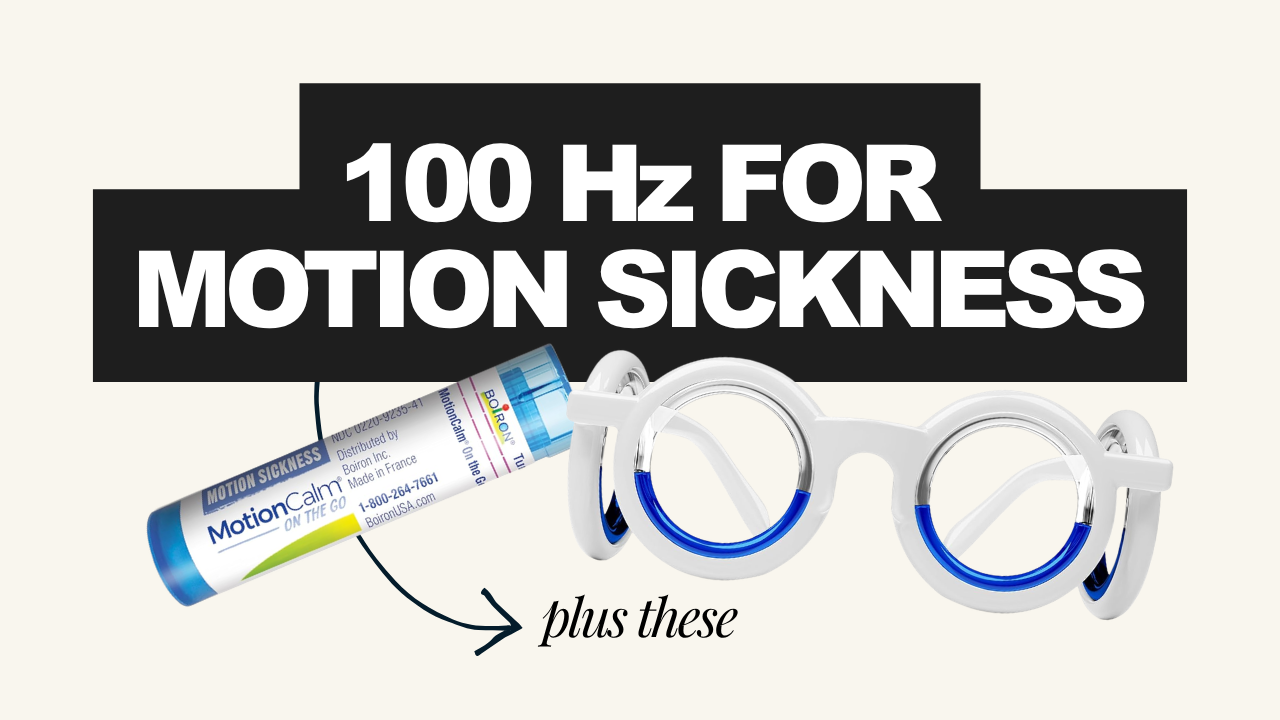
| Motion sickness | 100 Hz | Motion sickness glasses + Boiron MotionCalm |
| Gut stress | Mozart’s Flute Quartet in D Major, K. 285 | Kaizen electrolytes |
| Post-flight reset | Humming | |
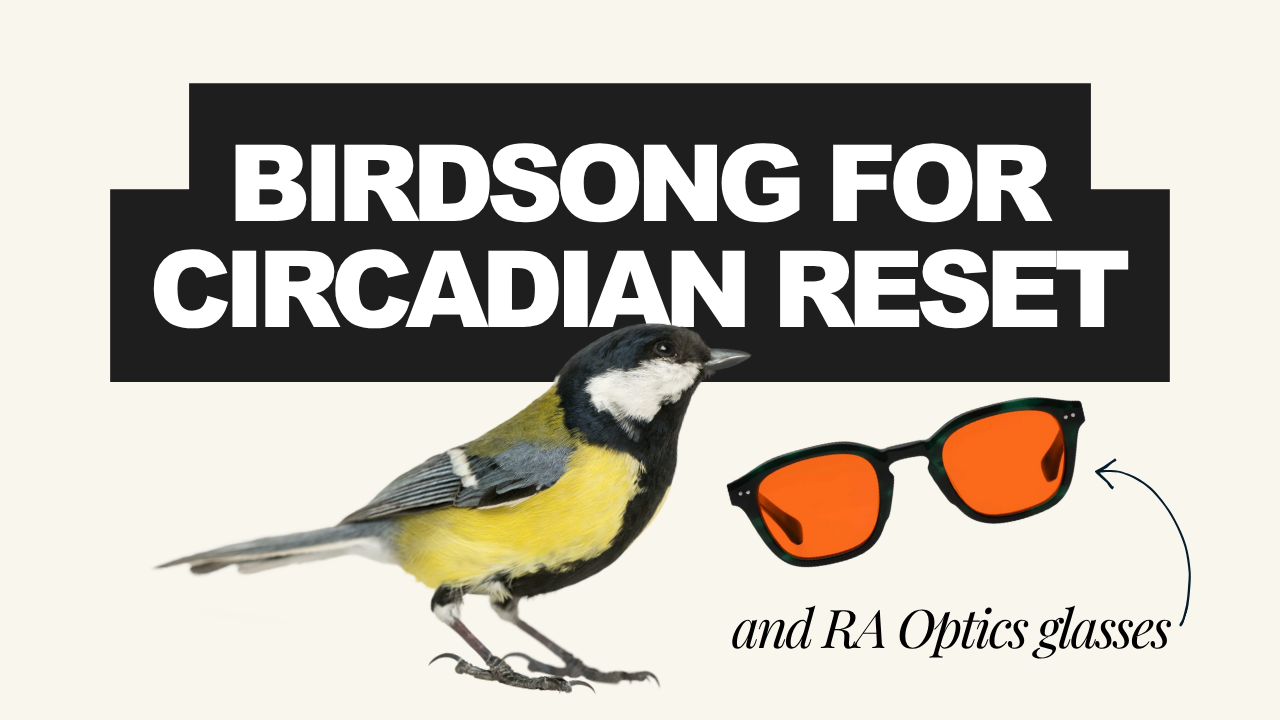
| Circadian reset | Birdsong | RA Optics |
| Anxiety / noisy hotel sleep | Pink noise | Pink noise machine or app |
| Insomnia / new bed alertness | One-word sleep cue | |
| Sensory orientation | Local music | |
| Travel day recovery | Water sounds | |
| Overstimulation | Silence / less noise | Earplugs, noise cancelling headphones |
1. Jet Lag: 40 Hz
Jet lag is one of the clearest examples of the body being out of sync with the environment.
Your brain thinks it is one time. The sun says it is another. Your digestion, hormones, sleep pressure, and energy levels are all trying to catch up.
This is where 40 Hz becomes interesting.
40 Hz is associated with gamma brainwave activity, which is connected to attention, alertness, and cognitive processing. Some people use 40 Hz sound or light in the morning to help the brain feel more awake and oriented.
A 40 Hz lamp can be a simple tool for this because it uses flickering light at that frequency.
I would not use it late at night or when trying to wind down. But in the morning, especially after landing in a new time zone, it can be a way to give the brain a clear signal that it's daytime.
2. Motion Sickness: 100 Hz
Motion sickness usually happens when the eyes, inner ear, and body are giving the brain different information.
Your body feels the car moving, but your eyes are looking down at a phone. Or you’re on a boat, and your balance system is trying to make sense of the motion.
That mismatch can lead to nausea, dizziness, and that heavy, unsettled feeling.
A pure 100 Hz tone has been studied in relation to motion sickness and nausea, which makes it an interesting sound to experiment with before or during travel.
I also like pairing this with motion sickness glasses because they give the eyes a visual horizon, which may help the brain make sense of movement.
Boiron MotionCalm is another travel product some people use for nausea, dizziness, and motion sensitivity.
The key with motion sickness is to support the body early. Once nausea is intense, it is much harder to come back from.
How I use it:
Use motion sickness glasses before symptoms get bad, especially in cars, boats, or winding roads. Listen to 100 Hz before traveling or at the first sign of nausea. Use Boiron MotionCalm according to the product directions.

3. Gut Stress: Mozart's Flute Quartet in D major, K.285
Different foods and bacterias, airport meals, and irregular eating times can all throw the gut off.
One study looked at Mozart’s Flute Quartet in D Major, K. 285 and found an increase in healthy gut bacteria and improved resistance in a salmonella model in mice by 60%.
That does not mean Mozart cures food poisoning. But it does point to the idea that the gut and brain are constantly communicating.
For travel, I would pair this with Kaizen electrolytes which can help replenish minerals, especially if you have been flying, sweating, drinking alcohol, not eating much, or dealing with stomach issues.
When the gut is off, the body often needs simplicity: hydration, minerals, rest, and calming input.
How I use it:
Listen to Mozart K. 285 while resting or recovering. Pair it with water, Kaizen electrolytes, and simple foods. If symptoms are severe, persistent, or include fever, blood in stool, or dehydration, get medical care.
4. Post-Flight Reset: Humming
One of the smallest sound practices is also one of the most portable.
Humming is self-generated vibration. You do not need an app, instrument, playlist, or product.
A classic study found that nasal nitric oxide increased significantly during humming compared with quiet exhalation, likely because the oscillating airflow helps sinus gas exchange.
For travel, I like humming because flying can dry you out, rush you, and disconnect you from your own rhythm.
Humming brings the sound back inside the body.
It is simple, subtle, and it gives the nervous system something familiar.
How I use it:
Do 5 to 10 slow hums through the nose after a flight, before sleep, or anytime the body feels scattered. Keep the mouth closed, jaw soft, and let the exhale be longer than the inhale.
5. Circadian Reset: Birdsong
Birdsong is one of the most natural morning cues for the nervous system.
It is not harsh like an alarm. It is patterned, organic, and familiar to the body in a very primal way.
When you are traveling, especially after crossing time zones, your body needs cues that help it understand the new rhythm of the day.
Birdsong can be one of those cues.
But it works best when paired with the strongest circadian signal we have: natural light.
Morning sunlight tells the brain that the day has started. Birdsong adds another layer of sensory information that helps the nervous system orient to the environment.
This is one of the simplest travel biohacks, and it does not require much.
Go outside. Hear the birds. Let the light hit your eyes. Walk for a few minutes.
I also like pairing this with RA Optics because light sensitivity can be a real issue when traveling. Planes, airports, big box stores, hotel lighting, and bright indoor spaces can be a lot on the nervous system.
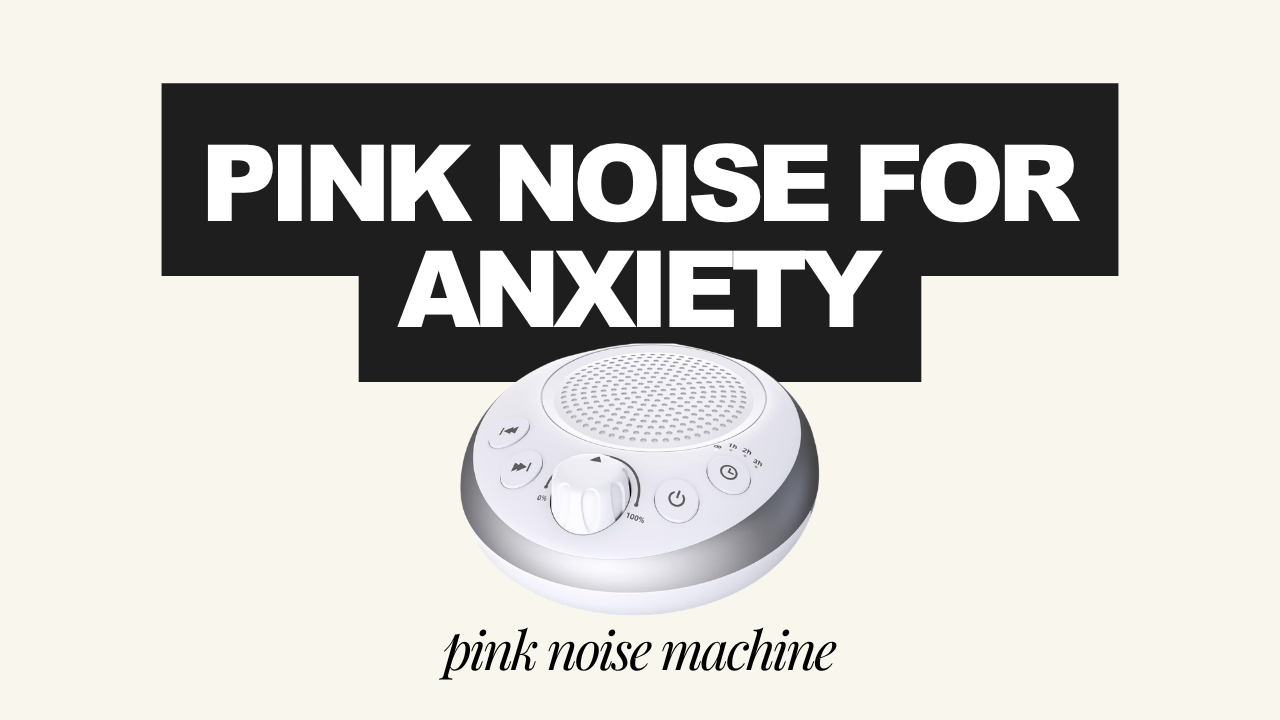
Hotel (and sometimes AirBnB) sleep is often disrupted by small, unpredictable noises.
Doors closing. Elevators. Pipes. Hallway voices. Air conditioning. Traffic. People above you.
The problem is not always the volume. It is the unpredictability.
Pink noise can help create a steady sound floor so every tiny noise does not feel so sharp to the nervous system.
Pink noise is often softer and less harsh than white noise. There is also research interest around timed pink-noise bursts during slow-wave sleep, though that is different from simply playing pink noise in a hotel room.
How I use it:
Play low-volume pink noise, soft rain, or another gentle steady sound in the hotel room. The goal is not to blast sound all night. The goal is to reduce the contrast between silence and sudden noise.
7. Insomnia: One-Word Sleep Cue
A new bed can make the body slightly more alert.
Even when you are tired, part of the brain may still be scanning the environment.
This is where a one-word sleep cue can help.
The bed should be associated with sleep, not effort. When the mind starts thinking, “Why am I not sleeping?” the bed can become a place of pressure instead of rest.
So instead, give the bed a simple descriptive word like heavy, soft, safe, or release to re-associate your new bed with sleep and calm.
How I use it:
Choose one word and use it only when settling into sleep. Say it silently or softly with the exhale. If the bed becomes a thinking place, get up and return when sleepy. The word should feel boring and reliable, not inspirational.
8. Sensory Orientation: Local Music
This is one of my favorite travel practices because it is so simple.
When you arrive somewhere new, your brain is trying to map the environment.
New streets. New language. New rhythm. New food. New architecture. New sounds.
That can be exciting, but it can also feel overstimulating.
Local music helps your nervous system orient.
It gives the brain rhythm, tone, culture, and language from the place you are in. It helps the environment feel less foreign and more familiar.
Instead of only playing the same music you listen to at home, try listening to music from the place you are visiting.
If you are in Portugal, listen to Portuguese music.
If you are in Italy, listen to Italian music.
If you are in Mexico, listen to local or regional music from that area.
It is a small thing, but it changes the way you relate to a place.
How I use it:
Make a simple local playlist before or during the trip. Play it while unpacking, walking, driving, or getting ready in the morning. Keep it soft and let it become part of the environment.
9. Travel Day Recovery: Water Sounds
After a long travel day, the nervous system can stay in scanning mode.
Airports, driving, crowds, bright hotel lighting, restaurants, and new environments all add stimulation.
Water sounds can help because they give the brain repetition with slight variation.
Waves, rain, fountains, and rivers are predictable enough to feel safe, but alive enough that they do not feel sterile.
How I use it:
Use ocean sounds, soft rain, fountain recordings, or real water after overstimulating travel days. Keep it low and let it be background support.
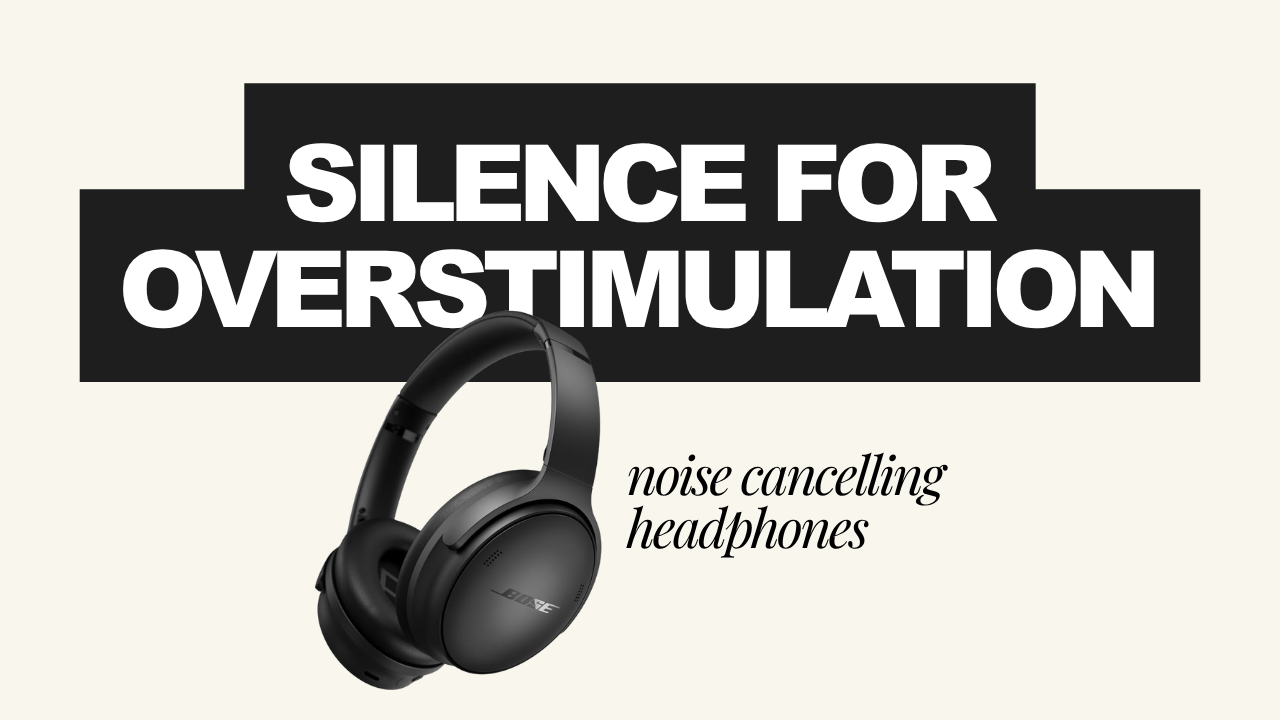
10. Overstimulation: Silence
Sometimes the biohack is less noise.
Airports, airplanes, traffic, restaurants, HVAC, hotel corridors, and crowded spaces all create low-grade sound load.
Before adding more sound, it can help to reduce the harsh inputs first.
Make everything as quiet as possible, then when you're ready, add just one intentional sound.
How I use it:
Use earplugs, noise cancelling headphones, silence, softer volume, and breaks from TV or music. Then choose one intentional sound support based on what the body needs: rhythm, water, birdsong, humming, or music from the place you are in.
A Better Way to Travel
Travel takes the body out of its normal rhythm.
That is not always a bad thing. Sometimes that is the whole point.
But when the nervous system feels overwhelmed, sound can help bring the body back into relationship with the moment.
40 Hz for jet lag.
100 Hz for motion sickness.
Mozart for gut-brain recovery.
Humming for post-flight regulation.
Birdsong for morning rhythm.
A one-word cue for settling.
Local music for sensory orientation.
Water sounds for downshifting.
And sometimes, less noise before more sound.
The body is always listening.
Some links may be affiliate links, meaning I may earn a small commission. All opinions and recommendations are my own.
Become a sound healer
The Heal Yourself, Heal Others sound healer training is a journey in becoming a conscious sound practitioner using the spiritual and scientific components of sound healing.
Author