
The History of Sound Healing (And Why It’s Rising Again)
Nov 23, 2025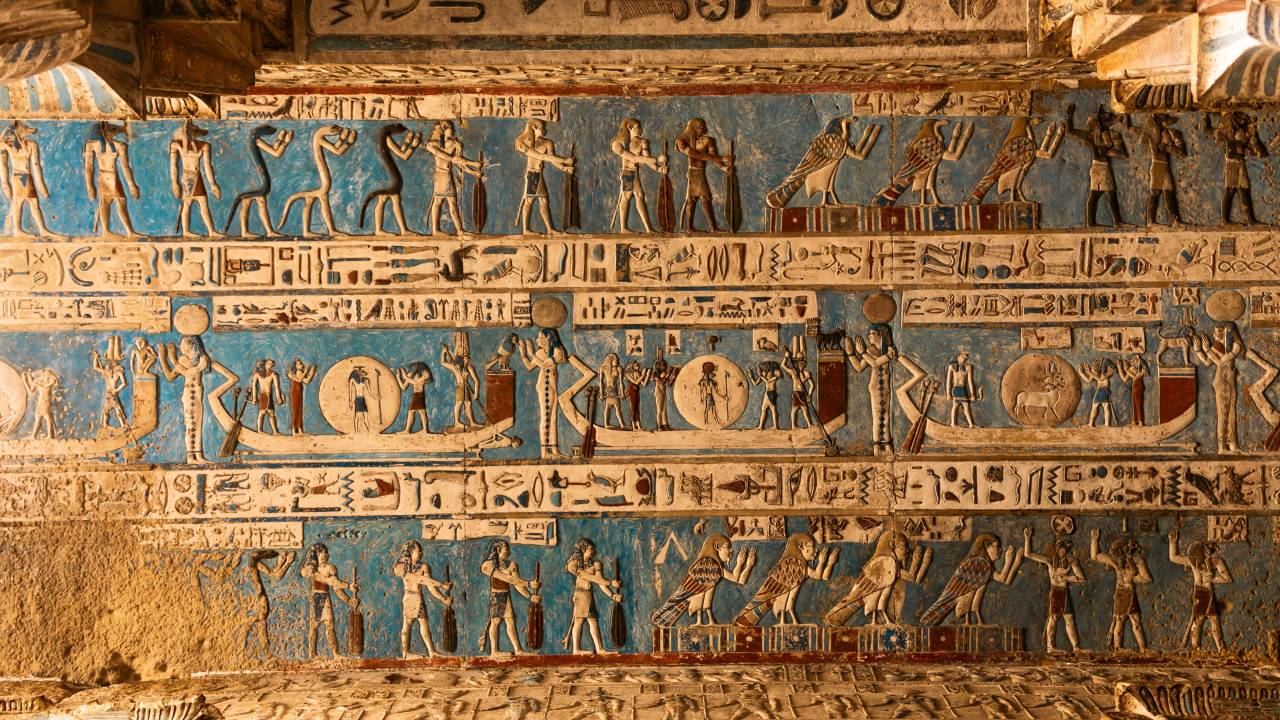
For as long as humans have been gathering, we have been using sound as a way to settle the mind, strengthen the body, and reconnect to something larger than ourselves. Long before the term “sound healing” existed, communities across the world understood that vibration could shift mood, regulate breath, and create a sense of shared presence.
Today, sound healing is often talked about through a modern lens. People reference frequencies, brain waves, and nervous system regulation. These explanations are helpful, but the roots of this practice go much deeper. To understand why sound healing is rising again, it helps to understand where it began.
Ancient traditions and the universal language of sound
Every culture has used sound as a tool for well-being. In Tibet, singing bowls supported meditation and ritual practice. In Indigenous communities, drums brought people into coherence with group rhythm. In ancient Greece, Pythagoras described music as a mathematical medicine that could bring the body back into harmony.
These traditions were not based on theory. They were based on observation. People noticed that certain tones helped calm the breath. Certain rhythms brought groups into sync. Certain chants supported emotional release. Sound connected people to themselves and to one another.
Sound as a tool for regulation
Long before we studied the nervous system, communities intuitively understood that sound could shift our internal state. Chanting created deep, slow exhales. Drumming anchored the mind. Flutes softened tension in the chest. These experiences pointed to something we now understand through research. Sound interacts with the body through breath, vibration, and rhythm. It influences heart rate, muscle tone, and the way the vagus nerve responds to the world.
In other words, long before neuroscience existed, traditional cultures were already supporting the nervous system through sound.
Why sound healing faded from view
As Western medicine became more standardized, anything that fell outside of pharmaceuticals and procedures was labeled “alternative.” Sound was not viewed as a physiological tool. It was viewed as symbolic, spiritual, or decorative.
The knowledge did not disappear. It simply moved into communities and lineages that continued practicing outside the medical model.
Why sound healing is rising again
Today, we are witnessing a return. People are looking for tools that help them regulate stress, reconnect with their bodies, and recover a sense of internal safety. Sound offers this in a way that is accessible and intuitive.
Several trends are contributing to this rise.
People are overwhelmed by chronic stress
The modern nervous system is overstimulated. Sound gives the body permission to downshift out of survival mode.
Neuroscience is validating ancient practices
Research on the vagus nerve, brain wave states, and resonance has helped people understand why sound feels calming.
Community is being rebuilt
Sound baths and group experiences recreate something ancient. People breathe together. They settle together. They repair together.
The practice is simple and accessible
You do not need years of training to benefit. Sound meets people where they are.
A modern practice rooted in ancient wisdom
Sound healing is not a trend. It is a return. It is a reminder that the body responds to frequency, rhythm, and vibration in ways that are both ancient and deeply human.
As interest continues to grow, we are not creating something new. We are remembering something old. At its core, sound healing is about connection. Connection to breath. Connection to sensation. Connection to the part of us that knows how to settle, restore, and heal.
This is why sound healing is rising again. We are coming back to what humans have always known. Sound organizes the body. Sound organizes the mind. Sound brings us home.
Become a sound healer
The Heal Yourself, Heal Others sound healer training is a journey in becoming a conscious sound practitioner using the spiritual and scientific components of sound healing.
Author